Selling a House After Hurricane Damage in Florida
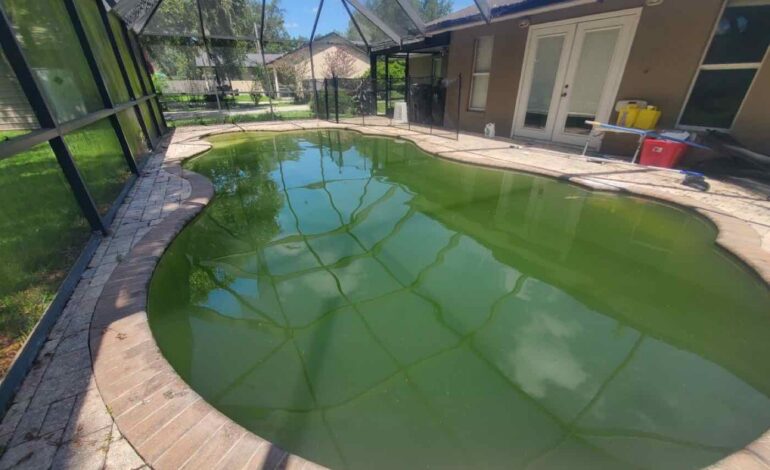
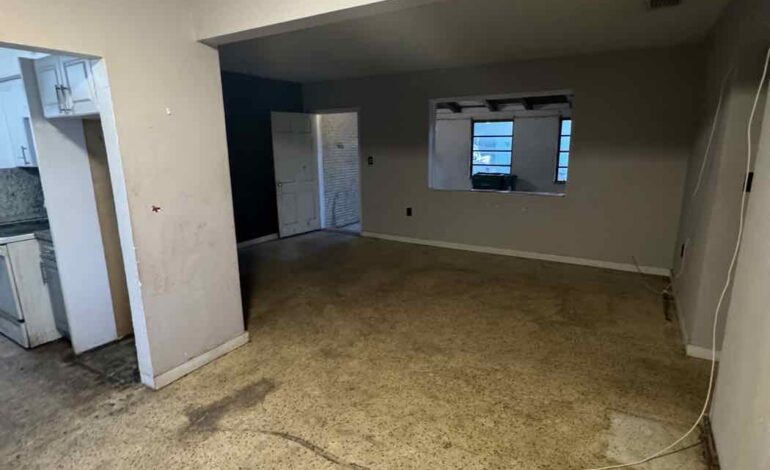
After a hurricane, many Florida homeowners face the same question: fix the house or sell it as it is? Here’s what to know about insurance, rebuilding rules and your options for selling.
First: protect the house and document everything
Take photos and video of all the damage before you clean up. Make temporary repairs to prevent more damage, like tarping the roof and drying out water, and keep every receipt. Your insurance policy requires you to take reasonable steps to protect the property.
Know your insurance deadlines
Under Florida law, you generally must give your insurer notice of a new or reopened hurricane or windstorm claim within 1 year of the date of loss, and a supplemental claim within 18 months. Flood damage is usually not covered by a homeowners policy; it’s covered by a separate flood policy (NFIP or private), which has its own deadlines.
The 50% rule in flood zones
If your home is in a FEMA flood zone and the cost to repair it is 50% or more of the building’s market value, it’s considered “substantially damaged.” The local building department may then require the entire house to meet current flood rules, which can mean elevating it. That can turn a repair job into a very expensive rebuild. Check with your city or county building department before you start.
Your three options
- Repair, then sell. Usually brings the highest price, but you’ll be managing contractors, permits and insurance payouts, often for months, while still paying the mortgage, taxes and insurance.
- List it as-is. Many buyers using a mortgage can’t finance a damaged house, and insurance can be hard to get, which shrinks your buyer pool.
- Sell to a cash buyer. No repairs, no permits and no waiting on the adjuster. You can close in days or weeks.
What you have to disclose
Florida sellers must disclose known defects that materially affect the value of the home. Florida law also requires sellers of residential property to disclose past flood damage claims and federal flood assistance on a flood disclosure form. Be upfront about storm damage and repairs.
What happens to an open insurance claim?
If your claim is still open or you’ve received a payment but haven’t repaired, talk to your insurer and your mortgage company. When there’s a mortgage, insurance checks are often made out to both you and the lender. How the claim and any proceeds are handled at closing should be spelled out in the sales contract.
Common questions
Can I sell my house with a damaged roof? Yes. A cash buyer can buy it as-is, even if it can’t get insurance. Selling with an old or damaged roof
Do I have to make repairs before selling? No. You can sell as-is, as long as you disclose the damage.
Easy Home Buyers buys storm-, water- and fire-damaged houses across South Florida as-is. Get a cash offer for a damaged house or call (954) 478-3466.
This article is general information, not legal advice. Talk to a Florida real estate attorney about your situation.
For insurance disputes and disaster aid, see our free resources for South Florida homeowners.
Related: how roof age affects Florida home insurance and selling.
Selling in a flood zone? Read about Florida’s flood disclosure law and your options.